VINEYARDS OF PROVENCE: A JOURNEY THROUGH HERITAGE

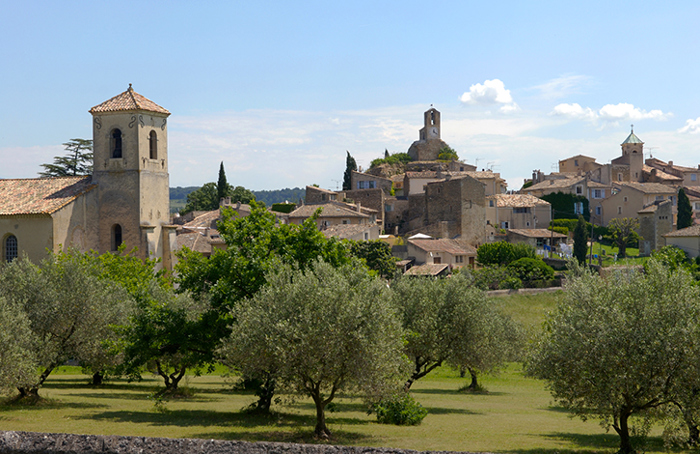
In Provence, wine is more than a tradition; it's a living culture rooted in an exceptional terroir. Rosé is the modern emblem of Provence: bright, dry, and delicate. But the region also reveals remarkable reds and whites, full of character and Mediterranean charm.
In Provence, wine is more than a tradition; it's a living culture rooted in an exceptional terroir. Rosé is the modern emblem of Provence: bright, dry, and delicate. But the region also reveals remarkable reds and whites, full of character and Mediterranean charm.

THE WINE CULTURE OF PROVENCE: WHERE TERROIR MEETS HISTORY

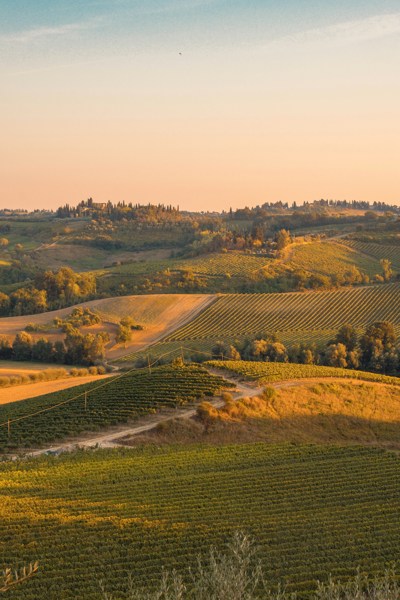
Thanks to its sun-drenched climate, diverse soils (limestone, clay, schist), and varied elevations, the vine thrives in ideal conditions. This geological and climatic richness allows each appellation to express its unique personality.

Notable appellations include:

  • Les Baux-de-Provence, with deep reds and structured rosé

  • Palette, rare and refined, producing age-worthy wines

  • Bandol, home to Mourvèdre and some of the South’s finest reds

  • Côtes de Provence, vast yet increasingly focused thanks to parcel-driven approaches

Thanks to its sun-drenched climate, diverse soils (limestone, clay, schist), and varied elevations, the vine thrives in ideal conditions. This geological and climatic richness allows each appellation to express its unique personality.

Notable appellations include:

  • Les Baux-de-Provence, with deep reds and structured rosé

  • Palette, rare and refined, producing age-worthy wines

  • Bandol, home to Mourvèdre and some of the South’s finest reds

  • Côtes de Provence, vast yet increasingly focused thanks to parcel-driven approaches

A 2,600-YEAR-OLD WINE HERITAGE

Provence is home to one of the oldest winegrowing traditions in France. It began in the 6th century BCE, when the Greeks founded Massalia (modern-day Marseille) and introduced the vine to southern lands. The Romans continued this expansion, developing viticulture across the region and turning Provence into a key trading post between East and West. Through the centuries, monasteries, noble families, and more recently a push toward quality in the 20th century, all shaped a vibrant legacy. This uninterrupted heritage gives Provençal wine a soul, shaped by time, land, and people.

Today, Provence is experiencing a vibrant revival. Winemakers are embracing organic, biodynamic, and small-scale production. The result: wines that are alive, precise, and full of identity, far more than just summer refreshers.

Provence is home to one of the oldest winegrowing traditions in France. It began in the 6th century BCE, when the Greeks founded Massalia (modern-day Marseille) and introduced the vine to southern lands. The Romans continued this expansion, developing viticulture across the region and turning Provence into a key trading post between East and West. Through the centuries, monasteries, noble families, and more recently a push toward quality in the 20th century, all shaped a vibrant legacy. This uninterrupted heritage gives Provençal wine a soul, shaped by time, land, and people.

Today, Provence is experiencing a vibrant revival. Winemakers are embracing organic, biodynamic, and small-scale production. The result: wines that are alive, precise, and full of identity, far more than just summer refreshers.

PROVENÇAL GRAPES

Provence relies on a wide range of grape varieties, often blended to reflect the diversity of its terroirs:

  • Grenache: generous and structured, with red fruit character

  • Cinsault: light and elegant, ideal for rosé

  • Syrah: spicy and richly colored, bringing structure

  • Mourvèdre: powerful and complex, core to Bandol reds

  • Rolle (Vermentino): fresh and floral, the star of Provençal whites

Also found are Clairette, Ugni Blanc, and more unexpected grapes like Chardonnay or Sauvignon Blanc; especially at Château Revelette, a pioneer in exploring new profiles.

Provence relies on a wide range of grape varieties, often blended to reflect the diversity of its terroirs:

  • Grenache: generous and structured, with red fruit character

  • Cinsault: light and elegant, ideal for rosé

  • Syrah: spicy and richly colored, bringing structure

  • Mourvèdre: powerful and complex, core to Bandol reds

  • Rolle (Vermentino): fresh and floral, the star of Provençal whites

Also found are Clairette, Ugni Blanc, and more unexpected grapes like Chardonnay or Sauvignon Blanc; especially at Château Revelette, a pioneer in exploring new profiles.

THE MOST BEAUTIFUL VINEYARDS

Some of the best wineries in Provence combine exceptional wine with stunning landscapes and heartfelt hospitality:

  • Domaine des Terres Blanches (Les Baux-de-Provence) – organic excellence in a natural setting
  • Château de Pibarnon (Bandol) – a Mediterranean legend, perched above the sea
  • Clos Saint Joseph – discreet, pure, and highly sought after
  • Domaine de Barbossi – an accessible gem nestled near Mandelieu
  • Château La Martinette – refined, parcel-specific wines in an enchanting setting
  • Château Revelette – an independent spirit making expressive wines from unusual varietals

Provençal icons include:

Some of the best wineries in Provence combine exceptional wine with stunning landscapes and heartfelt hospitality:

  • Domaine des Terres Blanches (Les Baux-de-Provence) – organic excellence in a natural setting
  • Château de Pibarnon (Bandol) – a Mediterranean legend, perched above the sea
  • Clos Saint Joseph – discreet, pure, and highly sought after
  • Domaine de Barbossi – an accessible gem nestled near Mandelieu
  • Château La Martinette – refined, parcel-specific wines in an enchanting setting
  • Château Revelette – an independent spirit making expressive wines from unusual varietals

Provençal icons include:

PAIRING PROVENÇAL WINE WITH LOCAL CUISINE

Provençal wines naturally enhance local dishes:

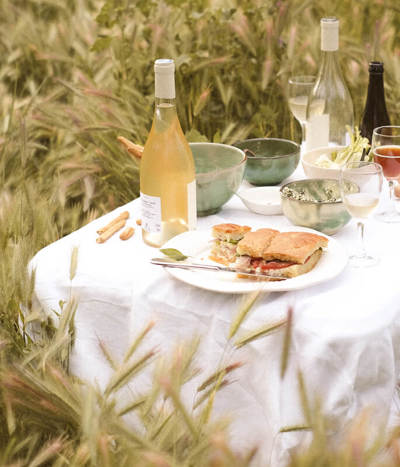
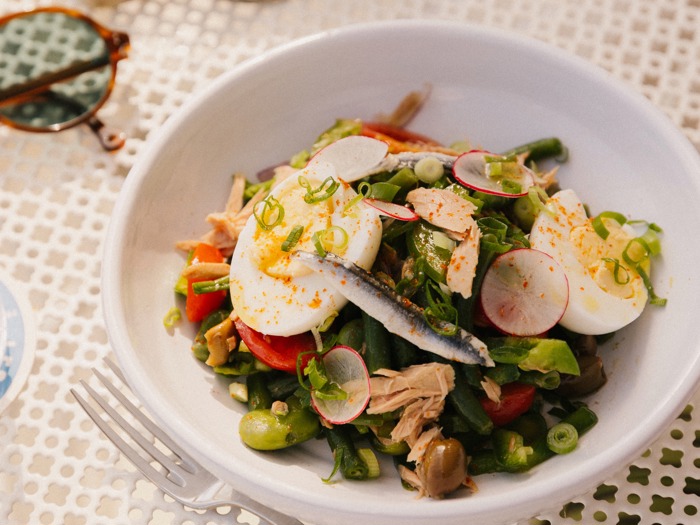
  • Rosé: ideal with Niçoise salad, grilled fish, or fresh ratatouille
  • Red: a great match for roasted meats, lamb, or a Provençal stew
  • White: vibrant with bourride, aioli, or market vegetables

Beaumier’s restaurants are devoted to seasonal, locally-inspired food and wine pairings that reflect the spirit of the region.


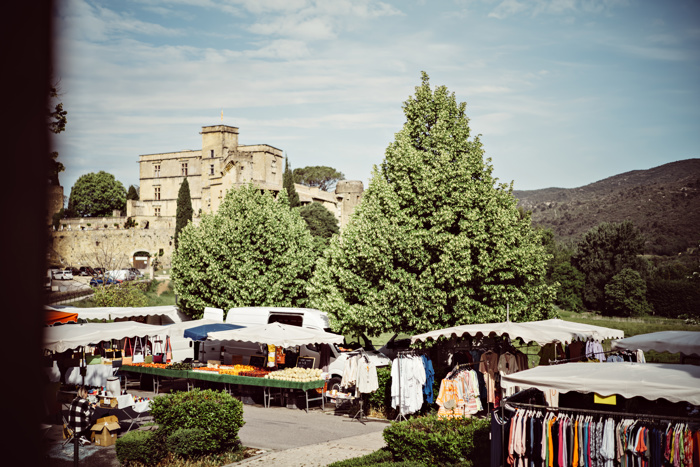
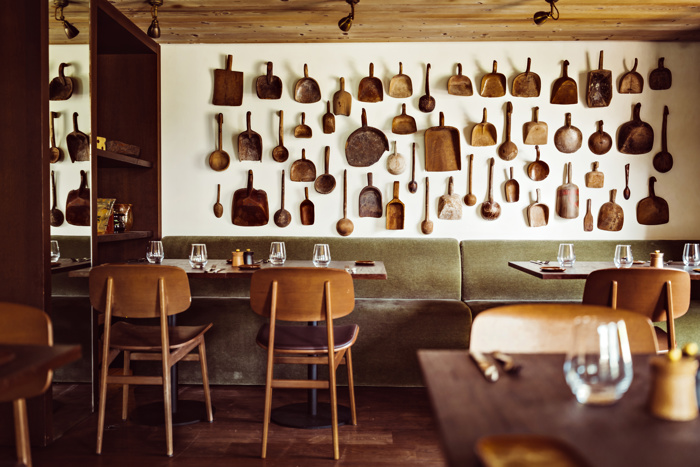
Bacheto, Restaurant in Lourmarin
A rustic table in the heart of the Luberon. Local produce, wood-fired cooking, and long lunches under the Provençal sun.

La Bastide, Michelin Starred Restaurant in Bonnieux
The soul of Capelongue. A Michelin-starred kitchen where Provence's terroir meets quiet culinary ambition.

Provençal wines naturally enhance local dishes:

  • Rosé: ideal with Niçoise salad, grilled fish, or fresh ratatouille
  • Red: a great match for roasted meats, lamb, or a Provençal stew
  • White: vibrant with bourride, aioli, or market vegetables

Beaumier’s restaurants are devoted to seasonal, locally-inspired food and wine pairings that reflect the spirit of the region.

 Bacheto, Restaurant in Lourmarin  A rustic table in the heart of the Luberon. Local produce, wood-fired cooking, and long lunches under the Provençal sun.

La Bastide, Michelin Starred Restaurant in Bonnieux  The soul of Capelongue. A Michelin-starred kitchen where Provence's terroir meets quiet culinary ambition.  

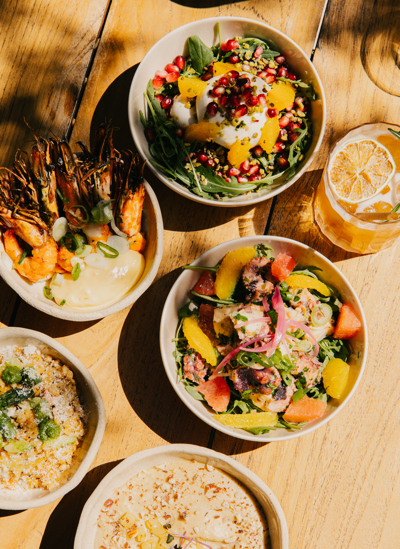
Bacheto dishes

STAY WITH BEAUMIER: EXPERIENCE PROVENCE FROM THE VINEYARDS INWARD

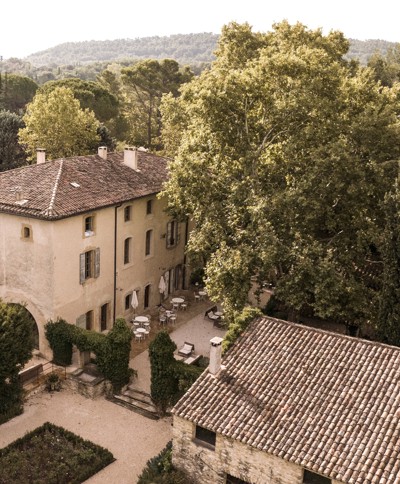
At Beaumier, we believe wine is a gateway into authentic Provence. Our teams share their favourite vineyard addresses for curated tastings and unforgettable encounters:

  • Château de Milles
  • Mas des Infermières
  • Mas Lauris
  • Château Les Eydins
  • Château La Martinette

Also recommended:

  • Domaine de Trélus (Ventoux) – fresh, mountain-style wines with depth
  • Château de Mille (Luberon) – a historic estate dating back to 1238, blending heritage and innovation

The Ventoux and Luberon are geographically in Provence, but fall under the Rhône Valley’s wine region.

Provençal wine’s richness lies beyond its appellations. Behind every estate is a story, a landscape, a soul. In this vibrant diversity, wine finds its truest meaning.

At Beaumier, we believe wine is a gateway into authentic Provence. Our teams share their favourite vineyard addresses for curated tastings and unforgettable encounters:

  • Château de Milles
  • Mas des Infermières
  • Mas Lauris
  • Château Les Eydins
  • Château La Martinette

Also recommended:

  • Domaine de Trélus (Ventoux) – fresh, mountain-style wines with depth
  • Château de Mille (Luberon) – a historic estate dating back to 1238, blending heritage and innovation  

The Ventoux and Luberon are geographically in Provence, but fall under the Rhône Valley’s wine region.

Provençal wine’s richness lies beyond its appellations. Behind every estate is a story, a landscape, a soul. In this vibrant diversity, wine finds its truest meaning.